

Basement Mold Removal in Mount Vernon, WA
Mount Vernon's position in the Skagit Valley creates persistent ground moisture that seeps into basements and crawl spaces year-round, driven by the region's elevated humidity and water-saturated soil common to the flat terrain. Basement mold growth thrives in these conditions, threatening indoor air quality and structural integrity if left unchecked. Blanton Mold Remediation connects Mount Vernon property owners with local mold removal providers who assess moisture sources, contain affected areas safely, and remove mold to restore a healthier indoor environment.
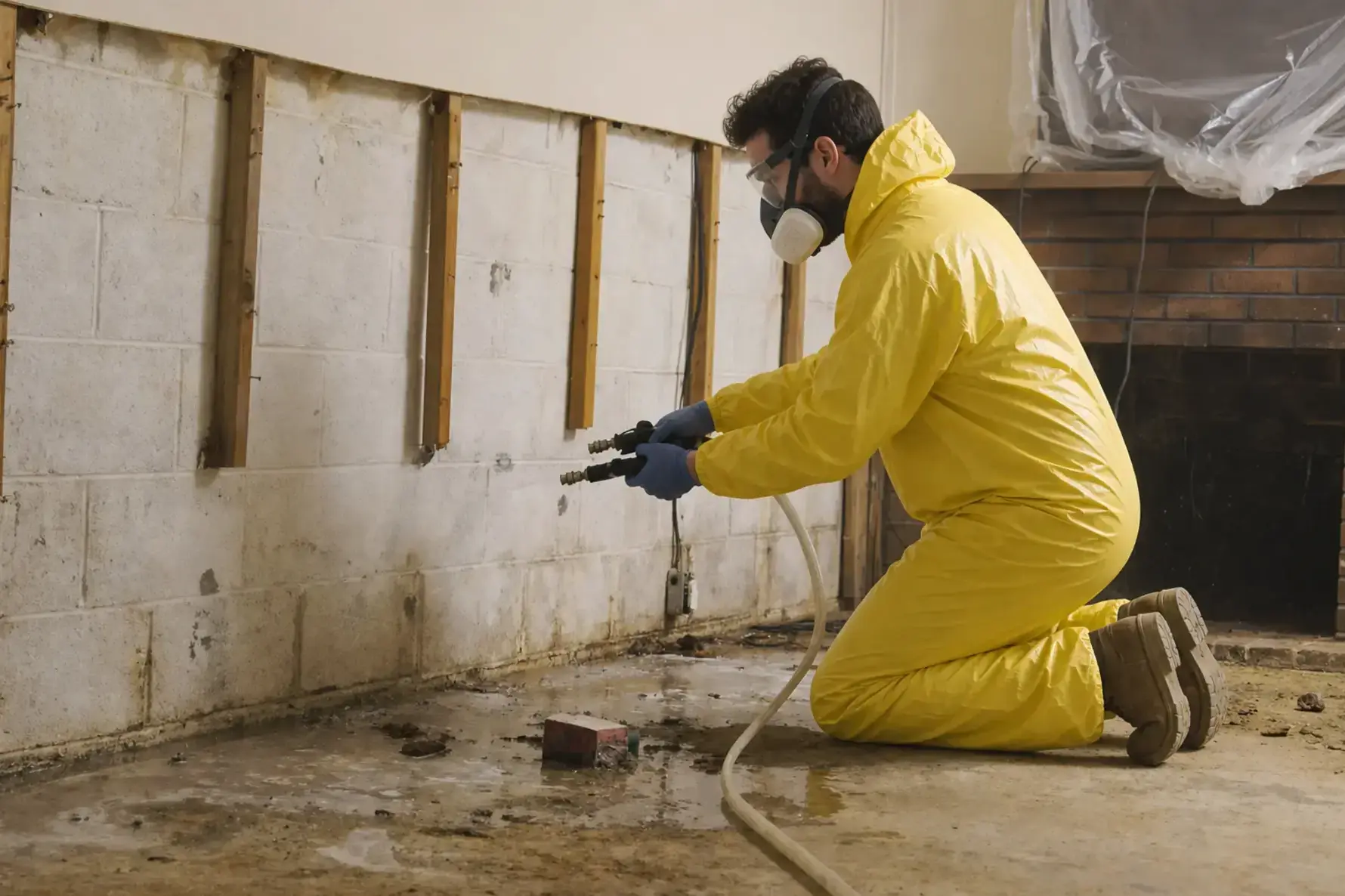
What gets cleaned in a basement, and what comes out
The honest answer to “does this come out, or can it be cleaned?” turns on two things — what the material is, and how many square feet are affected. Those are the two axes of the EPA’s own remediation table, reproduced below for the materials usually found in a basement.
| Material | Under 10 sq ftabout a cabinet door, or one ceiling tile | 10 to 100 sq ftroughly one wall, or a small bathroom | Over 100 sq ftmore than one room's worth of surface |
|---|---|---|---|
| Concrete or cinder blockpoured or block foundation walls and the slabEPA, Table 2 | Wet vacuumHEPA vacuum | Wet vacuumHEPA vacuum | Wet vacuumHEPA vacuum |
| Wallboardfinished walls and any framed partitionsEPA, Table 2 | HEPA vacuum | HEPA vacuumRemove and discard | HEPA vacuumRemove and discard |
| Wood surfacesframing, stair stringers and stored timberEPA, Table 2 | Wet vacuumDamp wipeHEPA vacuum | Wet vacuumDamp wipeHEPA vacuum | Wet vacuumDamp wipeHEPA vacuumRemove and discard |
| Carpet and backingcarpet and pad in a finished basementEPA, Table 2 | Wet vacuumHEPA vacuum | Wet vacuumHEPA vacuumRemove and discard | Wet vacuumHEPA vacuumRemove and discard |
| Books and papersstored books, documents and cardboardEPA, Table 2 | HEPA vacuum | HEPA vacuum | HEPA vacuum |
What those methods mean, in EPA's words
- Wet vacuum
Wet vacuums are vacuum cleaners designed to collect water. They can be used to remove water from floors, carpets and hard surfaces where water has accumulated.
EPA, cleanup methods- Damp wipe
Mold can generally be removed from nonporous (hard) surfaces by wiping or scrubbing with water, or water and detergent.
EPA, cleanup methods- HEPA vacuum
HEPA (High-Efficiency Particulate Air) vacuums are recommended for final cleanup of remediation areas after materials have been thoroughly dried and contaminated materials removed.
EPA, cleanup methods- Remove and discard
Building materials and furnishings that are contaminated with mold growth and are not salvageable should be double-bagged using 6-mil polyethylene sheeting.
EPA, cleanup methods
These guidelines are for damage caused by clean water. If you know or suspect that the water source is contaminated with sewage, or chemical or biological pollutants, then Personal Protective Equipment and containment are required by OSHA.
EPA, Table 1Porous materials that are wet and have mold growing on them may have to be discarded.
EPA, cleanup methodsMold can grow on wood, drywall, carpet and furniture if they remain wet for more than 24 hours.
EPA, flood cleanup
Below-grade walls can pass moisture continuously without ever showing a leak, which is why basement mold often returns after a surface-only cleaning. Concrete and block are the forgiving part — EPA never lists them for removal at any size. The expensive part is whatever was finished or stored against them.
Flood events appear in 7 separate years for Skagit County, 2024 being the most recent.Source: NOAA Storm Events Database, Skagit County (1996-2026; Flood, Flash Flood and Coastal Flood events)
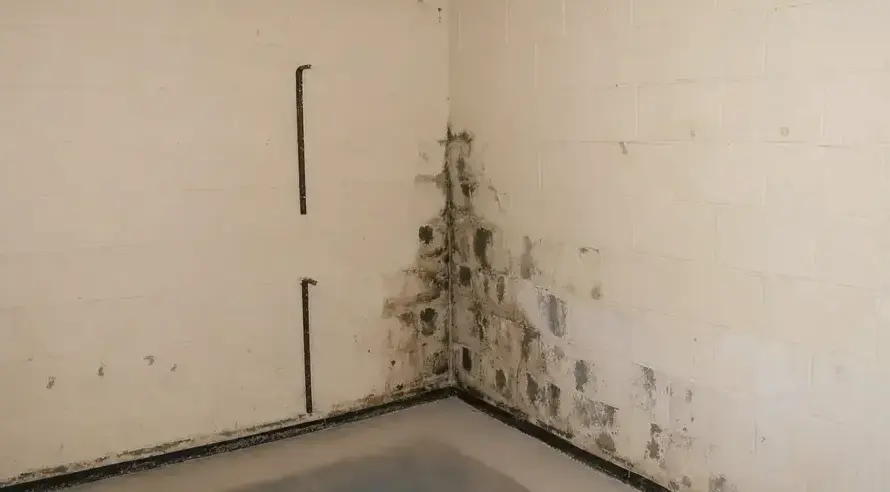
Basement Mold Removal Services in Mount Vernon, WA
Mount Vernon's location in the Skagit Valley creates persistent moisture conditions that make basement mold removal a genuine concern for many property owners. The region's marine-influenced climate maintains elevated humidity levels year-round, fed by river moisture and coastal fog that penetrate into foundations and below-grade spaces. Combined with the valley's flat terrain and tendency toward water pooling, homes in Mount Vernon frequently experience ground moisture seeping into basements and lower levels. This trapped moisture creates an ideal environment for mold colonization, making basement mold removal not a luxury but a practical necessity for protecting both your home's structure and the health of everyone inside it.
Blanton Mold Remediation connects Mount Vernon property owners with local independent providers who specialize in basement mold removal. These providers begin with a thorough assessment to identify the source of moisture and the extent of mold growth, then proceed with containment and removal tailored to your specific basement conditions. Removal includes not just visible mold but also attention to hidden growth within walls and under flooring where moisture tends to accumulate. Follow-up moisture management and guidance help reduce the likelihood of recurrence, keeping your basement healthier and your home's foundation protected. If you're dealing with basement mold in Mount Vernon, reaching out to connect with a local provider is a straightforward first step toward a cleaner, safer home.
Why Mount Vernon Property Owners Choose Blanton Mold Remediation
Fast Local Basement Mold Removal
Blanton connects you with independent local providers who understand Mount Vernon's properties and respond quickly. Basement mold removal happens faster when your provider is nearby and familiar with your area's conditions.
Basement Mold Removal With Clear Communication
You deserve to understand what's happening in your basement and why. Independent providers in our network explain basement mold removal findings, next steps, and containment measures in plain language so you can make confident decisions.
Thorough Basement Mold Removal Process
Complete basement mold removal requires proper containment, removal of affected materials, and attention to moisture sources. Blanton connects you with local providers who handle basement mold removal systematically to address the problem at its root.
Basement Mold Removal for Year-Round Moisture
The Skagit Valley's persistent humidity and groundwater moisture create ideal conditions for basement mold growth throughout the year. Blanton's network of local providers understands how sustained moisture from the region's environment drives basement mold and connects you with specialists ready to address it.
How Our Basement Mold Removal Process Works
Schedule Your Basement Mold Removal Visit
Contact Blanton Mold Remediation to describe basement mold concerns in your Mount Vernon home. We connect you with a local independent provider who will schedule a basement inspection at your convenience.
Get Your Basement Assessed and Diagnosed
An independent local mold inspector examines your basement for mold growth, identifies moisture sources, and documents affected areas. In Mount Vernon's Skagit Valley, where elevated year-round humidity from river moisture and coastal fog promotes basement mold, pinpointing the moisture driver is essential to effective removal.
Complete Basement Mold Removal and Prevention
The local provider removes mold-affected materials, treats affected surfaces, and addresses the moisture source to reduce recurrence. You'll receive guidance on maintaining lower basement humidity to help prevent future basement mold growth.
Dealing with Basement Mold Removal in Mount Vernon? Get fast, professional help.
Call Now — (360) 226-7710Basement Mold Removal Across Mount Vernon
Mount Vernon's location in the Skagit Valley creates persistent moisture challenges year-round. The combination of nearby river systems and coastal fog means groundwater and soil moisture remain elevated even outside the rainy season, creating conditions where basement mold can develop and worsen over time. This sustained dampness—rather than seasonal spikes alone—makes basement mold removal a critical concern for property owners throughout the area, from established neighborhoods like Riverside and Eaglemont to newer sections of the community.
Trapped ground moisture beneath homes is a primary driver of basement mold growth in Mount Vernon. Because the valley's naturally flat terrain and high water table work against natural drainage, basements and below-grade spaces are especially vulnerable to moisture infiltration and the mold that follows. Property owners who notice musty odors, visible discoloration, or damp conditions in their basements should connect with a local mold removal provider quickly—early intervention helps prevent the problem from spreading and protects indoor air quality for the household.
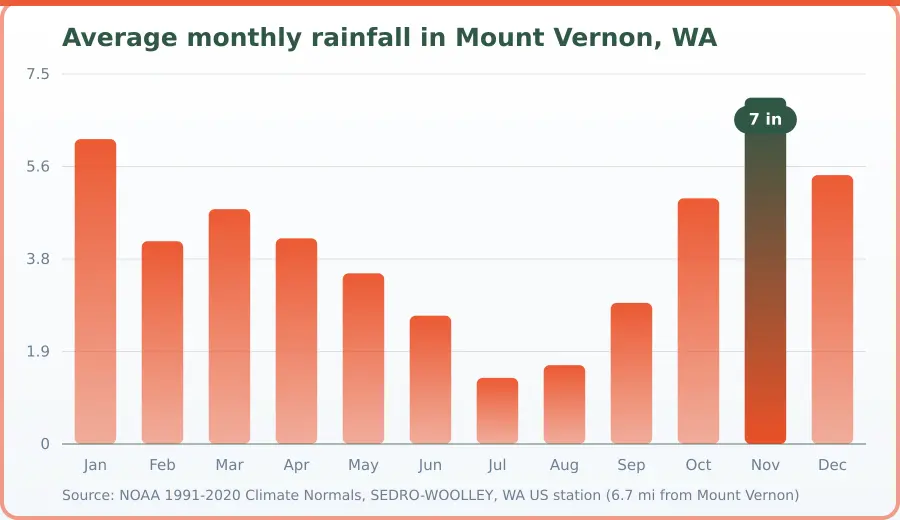
| Period | Monthly rainfall (in) |
|---|---|
| Jan | 6.2 |
| Feb | 4.1 |
| Mar | 4.8 |
| Apr | 4.2 |
| May | 3.5 |
| Jun | 2.6 |
| Jul | 1.3 |
| Aug | 1.6 |
| Sep | 2.9 |
| Oct | 5 |
| Nov | 7 |
| Dec | 5.5 |
Source: NOAA 1991-2020 Climate Normals, SEDRO-WOOLLEY, WA US station (6.7 mi from Mount Vernon). Retrieved October 5, 2026.
Seasonal Basement Mold Removal Needs in Mount Vernon
Spring: Thaw and Moisture Rise
As snowmelt and spring rains increase groundwater levels, basements in Mount Vernon face heightened moisture infiltration. Basement mold growth accelerates when water tables rise and seepage through foundation walls intensifies. Blanton Mold Remediation connects property owners with local providers who assess moisture entry points and recommend removal strategies tailored to seasonal water pressure changes.
Summer: Humidity and Active Growth
Summer's warmth combined with persistent moisture creates ideal conditions for basement mold colonies to expand rapidly. Higher indoor humidity levels allow active mold to spread across basement walls, insulation, and stored materials. Blanton Mold Remediation helps homeowners identify basement mold hotspots and connect with local specialists who contain and remove affected areas before colonies mature further.
Fall: Cooling and Condensation Cycles
Temperature swings between warm days and cool nights trigger condensation buildup on basement surfaces and around foundation walls. This moisture cycling creates environments where basement mold can establish and spread even without active water intrusion. Blanton Mold Remediation links property owners with local providers who evaluate basement condensation patterns and develop removal and prevention plans specific to fall conditions.
Winter: Persistent Ground Moisture
Mount Vernon's marine-influenced Skagit Valley climate keeps ground moisture elevated year-round through river moisture and coastal fog, leaving basements vulnerable to mold growth throughout winter despite cooler air. Frozen ground and reduced drainage compound trapped moisture issues that fuel basement mold development. Blanton Mold Remediation connects homeowners with independent local providers who address the ongoing moisture management and basement mold removal needs that persist even during colder months.
Related Services
Basement Mold Removal FAQs — Mount Vernon, WA
Basement mold removal typically starts with a thorough inspection to locate mold growth and identify moisture sources. The independent provider will contain the affected area, remove contaminated materials safely, clean and treat surfaces, and address the underlying dampness driving the problem. The goal is complete removal and restoration of a dry, healthy basement environment.
Blanton Mold Remediation connects Mount Vernon property owners with local independent providers ready to respond to your basement mold concern. Once you reach out, we work to link you with a nearby professional who can evaluate your situation and discuss next steps without unnecessary delay.
Basement mold removal pricing depends on the extent of mold growth, the size of the affected area, how deeply mold has penetrated materials, and the root cause of moisture. Additional factors include whether structural repairs or ventilation upgrades are needed. The independent provider you're connected with will assess your specific basement and discuss pricing during an initial evaluation.
Before removal work starts, clear personal items and clutter from the affected basement areas to give the provider full access. Move valuables to dry storage. The professional will explain containment procedures and any temporary restrictions on basement use during the work. Ask about ventilation needs and whether upper floors may be affected during the process.
After removal, focus on moisture control: maintain proper grading and drainage away from your foundation, use a dehumidifier if basement humidity stays high, ensure gutters and downspouts direct water away from the home, and address any cracks or leaks promptly. The provider may recommend ventilation improvements or sump pump installation to keep your basement consistently dry.
Mount Vernon's location in the Skagit Valley means elevated humidity persists throughout the year due to persistent ground and river moisture. This year-round dampness creates ideal conditions for mold growth in basements, especially when drainage or ventilation is poor. The valley's flat terrain and moisture-rich environment make basement drying and mold prevention an ongoing concern for many local homeowners.
Homeowner Safety Toolkit
Verify Your Mount Vernon, WA Mold Remediation Company
Before you hire anyone, use these independent national resources to confirm credentials, standards, and track record.
BBB
Look up any mold remediation company's complaint history, customer reviews, and accreditation status — a free, independent check before you hire.
Check StandingCDC
Covers the health effects of mold exposure and safe cleanup practices, separate from the remediation work itself — useful if anyone in the home has respiratory symptoms.
Mold Health GuideACAC
An independently accredited certifying body for mold inspectors and consultants — one of the few in this field whose standards are verified by an outside accreditation board, not just self-declared.
Find a Certified InspectorDealing with Basement Mold Removal in Mount Vernon, WA? Call (360) 226-7710 for 24/7 help.
Call Now — (360) 226-7710Areas We Serve in Mount Vernon, Washington
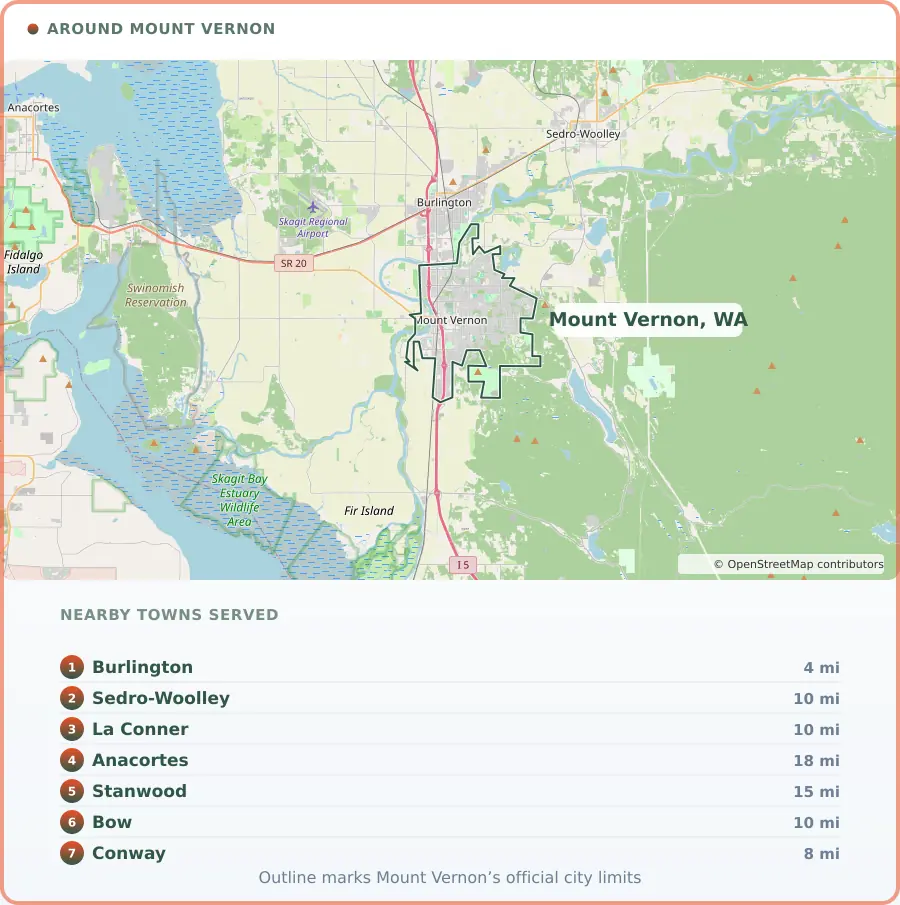
Serving Mount Vernon, WA and 7 communities around it. Local knowledge of how each area is built shapes how the work is handled there.
Mount Vernon, WA Information
Mount Vernon sits where the Skagit River meets Interstate 5, serving as the county seat of Skagit County and the commercial heartbeat for the farming communities that ring it. The fertile valley around the city has long supported bulbs, berries, and dairy, and that agricultural legacy still shapes local life—most visibly each spring when the Skagit Valley Tulip Festival draws visitors from across the region. Government offices, Skagit Valley Hospital, and Skagit Valley College add steady institutional weight alongside the fields.
With close to 36,000 residents, Mount Vernon feels like a real working town rather than a bedroom suburb—neighborhoods like Eaglemont and downtown each carry their own character, while retail, food processing, and public services keep the economy diverse. It's a place built on riverbanks and farmland, grounded and unpretentious.
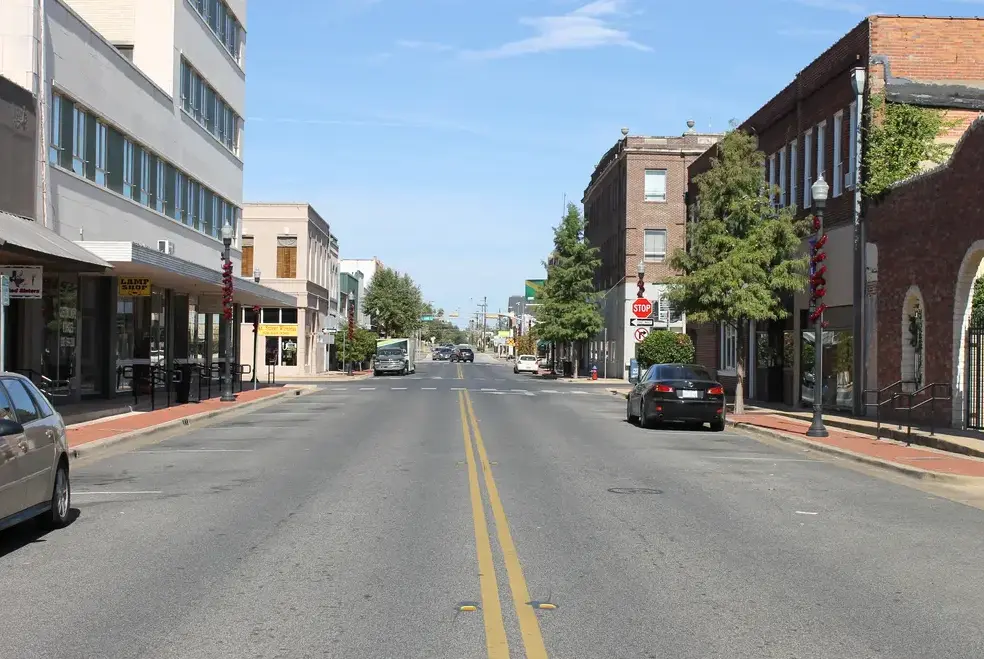
Photo: Billy Hathorn, CC BY-SA 3.0